In a world where plastic seems to outnumber people, embracing sustainable living feels like a superhero move. It’s not just about hugging trees or wearing hemp sandals—though those can be fun too! It’s about making small changes that add up to a big impact. Who knew that swapping out that single-use coffee cup could save the planet one sip at a time?
Understanding Sustainable Living
Sustainable living promotes a lifestyle that seeks to reduce an individual’s or society’s use of Earth’s natural resources. This approach helps address environmental challenges such as pollution, resource depletion, and climate change.
Definition and Importance
Sustainable living refers to making choices that minimize one’s environmental impact. It encompasses practices like reducing waste, conserving water, and utilizing renewable energy sources. Awareness of sustainable living is crucial in combating climate change and preserving ecosystems. Adopting this lifestyle fosters a healthier planet and contributes to the well-being of future generations. Each small change contributes to a collective effort, emphasizing the importance of individual actions in achieving broader environmental goals.
Benefits of Sustainable Living
Sustainable living offers numerous benefits. First, it reduces a person’s carbon footprint, leading to cleaner air and a healthier environment. Second, individuals often save money by conserving resources and opting for eco-friendly products. Third, adopting sustainable practices enhances personal well-being through healthier food choices and increased physical activity. Communities also thrive when focusing on sustainability, as local businesses often benefit from increased demand for sustainable products. Supporting sustainable practices encourages innovation and fosters resilience in the face of environmental challenges.
Practical Steps for Sustainable Living
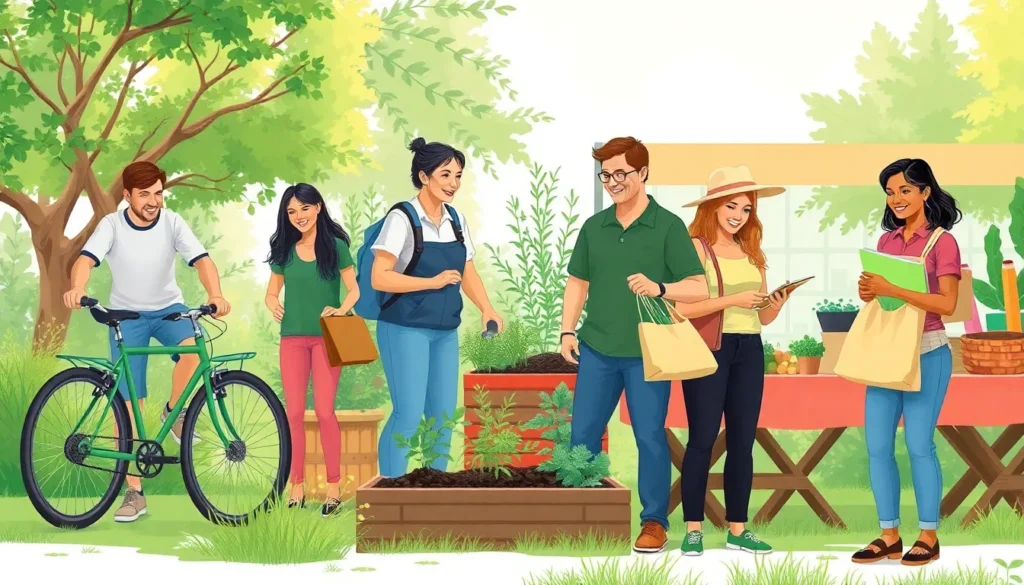
Implementing practical steps supports a sustainable lifestyle and benefits the environment. Small changes create significant impacts over time, making sustainable living accessible for everyone.
Reducing Waste
Minimizing waste begins with intentional choices. Using reusable bags, containers, and utensils limits single-use plastic consumption. Composting organic materials decreases landfill waste while enriching soil health. Regularly opting for products with minimal packaging encourages manufacturers to prioritize eco-friendly designs. Additionally, participating in local recycling programs fosters a sustainable community mindset.
Energy Conservation
Conserving energy reduces environmental strain and lowers utility bills. Switching to energy-efficient appliances provides long-term savings and cuts energy consumption. Regularly sealing windows and doors prevents heat loss, enhancing home efficiency. Using natural light during the day lessens reliance on electric lighting, promoting energy conservation. Smart home technology allows for managing energy usage effectively and contributes to a greener home.
Sustainable Transportation
Choosing sustainable transportation options lessens greenhouse gas emissions. Biking or walking for short trips reduces reliance on fossil fuels while promoting personal health. Carpooling and using public transportation benefit the environment by decreasing the number of vehicles on the road. Electric and hybrid vehicles offer eco-friendly alternatives for longer journeys, providing efficiency without sacrificing convenience. Prioritizing sustainable transportation leads to cleaner air and improved community health.
Sustainable Food Choices
Sustainable food choices play a crucial role in reducing environmental footprints while promoting health. Making informed decisions about food can significantly impact both personal well-being and the planet.
Eating Local and Seasonal
Eating local and seasonal foods supports community farmers while reducing transportation emissions. Purchasing produce from local markets decreases reliance on long supply chains. Many benefits arise from incorporating seasonal fruits and vegetables into diets, including fresher flavors and nutritional value. Supporting local agriculture fosters a sense of community connection. Seasonal eating also encourages variety in meals, making the dining experience more exciting and diverse.
Plant-Based Diet
Transitioning to a plant-based diet significantly reduces overall environmental impact. Plant-based foods typically require fewer resources compared to meat production, lowering greenhouse gas emissions. Incorporating more fruits, vegetables, legumes, and whole grains promotes health benefits, such as improved heart health and weight management. Many studies correlate plant-based diets with lower incidences of chronic diseases, enhancing quality of life. Adopting such dietary changes contributes positively to sustainability efforts while benefiting individual well-being.
Eco-Friendly Home Practices
Adopting eco-friendly home practices enhances sustainability. Simple adjustments in daily routines significantly contribute to reducing environmental impact.
Water Conservation
Water conservation holds critical importance in sustainable living. Harvesting rainwater through barrels promotes efficient water use. Limiting shower time to five minutes can decrease daily consumption. Installing low-flow fixtures reduces water waste, effectively maintaining water pressure while minimizing usage. Furthermore, fixing leaks promptly prevents wasted water. Collectively, these actions foster responsible water management at home.
Eco-Friendly Products
Choosing eco-friendly products plays a vital role in reducing one’s ecological footprint. Opting for biodegradable cleaning supplies minimizes chemical runoff and pollution. Selecting personal care items with recyclable packaging avoids plastic waste. Buying products with eco-certifications ensures ethical and sustainable sourcing. Supporting local businesses that prioritize sustainability further strengthens community resilience. Integrating these products into daily life promotes a healthier home environment.
Community Involvement
Community involvement plays a vital role in fostering sustainable living. By engaging with local initiatives and organizations, individuals can amplify their impact while contributing to collective efforts.
Supporting Local Initiatives
Supporting local initiatives strengthens community ties and promotes sustainable practices. Joining community gardens encourages collaborative food production and biodiversity. Participating in neighborhood clean-up events helps reduce litter and enhances local spaces. Shopping at farmer’s markets supports local agriculture while reducing transportation emissions. Volunteering for local environmental organizations raises awareness about sustainability issues and drives change. Collaborating with others on sustainability projects fosters a sense of shared responsibility and encourages more significant community participation.
Engaging in Environmental Advocacy
Engaging in environmental advocacy empowers individuals to catalyze systemic change. Joining advocacy groups raises awareness about pressing environmental issues and helps influence policy. Participating in public forums enables voices to unite and promote sustainable legislation. Writing to local representatives emphasizes the importance of environmental protection and sustainability practices. Educating others about sustainability raises consciousness and encourages environmentally friendly behavior. Supporting campaigns focused on climate action creates momentum for transformative practices and helps build a more sustainable future.
Embracing sustainable living is a powerful way to contribute to a healthier planet. By making small yet impactful changes in daily routines individuals can significantly reduce their environmental footprint. These practices not only promote personal well-being but also foster community resilience and innovation.
As awareness grows about the importance of sustainability it becomes clear that collective efforts can lead to meaningful change. Supporting local initiatives and making conscious choices empowers individuals to play an active role in addressing environmental challenges. Every action counts and together they create a brighter future for generations to come.