In a world where the grocery store feels like a treasure hunt and the electric bill sends shivers down spines, self-sustainable living emerges as the superhero we didn’t know we needed. Imagine growing your own veggies, harnessing the sun for energy, and sipping your homemade kombucha while feeling like a modern-day pioneer. It’s not just a trend; it’s a lifestyle that promises freedom from skyrocketing bills and a dash of adventure.
But wait, before you trade your couch for a garden plot, it’s essential to know that self-sustainability isn’t just about watering plants and hugging trees. It’s a smart, savvy way to live that can actually save money and the planet. So buckle up and get ready to discover how to turn your home into a self-sufficient oasis, complete with a side of humor and a sprinkle of practicality.
What Is Self Sustainable Living?
Self sustainable living refers to a lifestyle where individuals aim to meet their essential needs without relying heavily on external resources. This approach encompasses growing one’s own food, utilizing renewable energy sources, and reducing waste. Promoting a closed-loop system, self sustainable living significantly minimizes environmental impact.
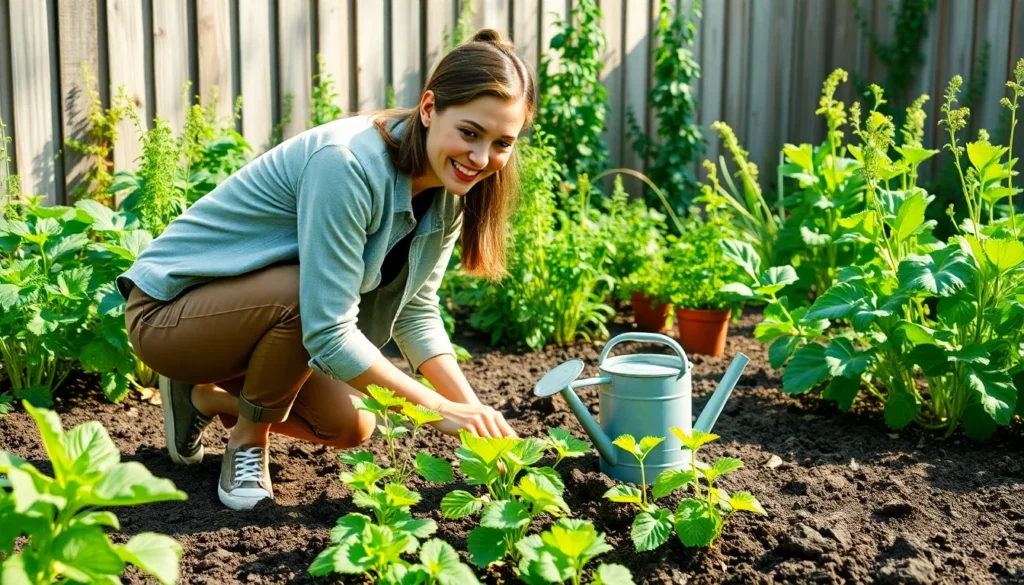
Gardening plays a crucial role in this lifestyle. By cultivating vegetables, fruits, and herbs at home, people gain fresh produce while reducing their carbon footprint associated with food transport. Solar energy represents another vital aspect of self sustainability. Generating electricity through solar panels decreases dependence on fossil fuels, resulting in lower utility bills and a cleaner environment.
Water conservation methods further enhance sustainability practices. Implementing rainwater harvesting systems allows individuals to collect rain for irrigation and household use. Composting organic waste transforms kitchen scraps into nutrient-rich soil, supporting plant growth and reducing landfill contributions.
Local communities often provide support networks for those pursuing self sustainable living. Community gardens, local farmers markets, and skill-sharing workshops enable individuals to learn, share resources, and foster friendships. This collaborative spirit strengthens local ties while promoting sustainable practices.
Self sustainable living represents more than just an individual effort. By adopting this lifestyle, individuals contribute to broader environmental benefits, such as biodiversity preservation and reduced resource depletion. Embracing self sustainability fosters resilience in the face of economic challenges, supporting a lifestyle of independence and self-reliance.
Benefits of Self Sustainable Living
Self sustainable living offers various benefits that positively impact individuals and the environment. Individuals who adopt this lifestyle experience both ecological and financial gains.
Environmental Impact
Reducing one’s carbon footprint stands out as a significant achievement of self sustainable living. Growing food locally minimizes transportation emissions, helping to conserve resources. Utilizing renewable energy sources like solar power contributes to a substantial decrease in greenhouse gas emissions. Composting organic waste recycles nutrients back into the soil, enhancing soil health and biodiversity. Rainwater harvesting practices support water conservation, reducing the strain on local water supplies. Increasing biodiversity through diverse gardening practices also strengthens ecosystems. Each of these actions contributes effectively to a healthier planet.
Economic Savings
Economic savings emerge as another notable benefit of self sustainable living. Growing food at home reduces grocery expenses significantly. Utilizing solar energy decreases dependence on costly electricity, leading to lower utility bills. Engaging in community gardening fosters collaboration and can lower costs associated with produce purchases. Composting and recycling waste minimize disposal fees, providing additional financial relief. Local bartering and skill-sharing further enhance economic efficiency by fostering networks that reduce reliance on currency. Ultimately, embracing this lifestyle empowers individuals to manage costs effectively while nurturing their surroundings.
Key Components of Self Sustainable Living
Self-sustainable living encompasses several key elements that foster independence and resilience. Individuals can create a better ecosystem while benefiting their finances through practical approaches.
Renewable Energy Sources
Solar panels significantly reduce reliance on traditional electricity sources. Each unit generates electricity from sunlight, effectively lowering utility bills. Wind turbines also harness natural wind energy for power needs. Geothermal energy utilizes the Earth’s heat for heating and cooling purposes. By investing in these systems, homeowners can decrease their carbon footprints and support a cleaner environment while promoting energy independence.
Sustainable Gardening Practices
Growing food at home through sustainable gardening practices enhances self-sufficiency. Raised garden beds optimize space and improve soil quality. Companion planting encourages natural pest control and boosts plant health. Organic methods, free of harmful chemicals, enrich the ecosystem. Incorporating crop rotation prevents soil depletion while enhancing biodiversity. Engaging in these practices not only provides fresh produce but also fosters a deeper connection with nature.
Water Conservation Techniques
Rainwater harvesting captures and repurposes natural precipitation for various uses. Installing rain barrels helps collect water for irrigation, reducing the dependency on municipal supplies. Drip irrigation systems optimize water usage, directing moisture precisely where needed. Xeriscaping features drought-resistant plants to minimize outdoor water needs. Implementing greywater systems repurposes water from sinks and showers for non-potable uses. These techniques significantly enhance water efficiency in self-sustainable living contexts.
Challenges of Self Sustainable Living
Self-sustainable living presents various challenges that individuals encounter while embracing this lifestyle. Addressing these challenges requires resources, commitment, and a willingness to learn.
Initial Costs
Starting a self-sustainable lifestyle often involves significant initial costs. Purchasing solar panels, gardening supplies, and compost bins can strain budgets. Solar panel installation typically ranges from $15,000 to $25,000, depending on the system size. Additionally, setting up a garden may require soil, seeds, and tools, costing several hundred dollars. Investing in rainwater harvesting systems also incurs initial expenses, often between $1,000 and $3,000. Over the long run, the savings on utility bills and groceries justify these expenses; however, many may find the upfront financial commitment daunting.
Knowledge and Skills
Lack of experience poses another challenge in self-sustainable living. Individuals may need to acquire new skills, such as gardening, cooking from scratch, or maintaining renewable energy systems. Understanding soil health, seasonal planting, and pest management becomes essential for successful gardening. Skills for building or repairing solar panels or wind turbines also require a certain level of technical knowledge. Many resources, such as online courses and community workshops, help build these skills; however, individuals must invest time and effort to become proficient. Mastery of these skills directly influences the level of self-sufficiency achieved.
Embracing self-sustainable living is a transformative journey that empowers individuals to take control of their lives. By integrating practices like gardening and renewable energy, they not only reduce their ecological footprint but also cultivate a deeper connection with nature. This lifestyle fosters resilience and independence while promoting community ties through shared resources and knowledge.
The challenges may seem daunting at first, but the rewards are substantial. With commitment and creativity, anyone can create a self-sufficient haven that thrives on sustainability. As more people adopt this approach, the collective impact on the environment and local economies can lead to a brighter future for all.