In a world where the planet seems to be throwing a tantrum, sustainable living innovations are stepping in like the calming parent we all need. From solar-powered gadgets that make you feel like a superhero to biodegradable products that vanish faster than your last New Year’s resolution, these innovations are transforming everyday life.
Overview Of Sustainable Living Innovations
Sustainable living innovations focus on reducing environmental impacts while enhancing quality of life. Solar-powered gadgets exemplify how technology can harness renewable resources. These devices, including solar chargers and lights, contribute to energy conservation.
Biodegradable products represent another significant advancement. Biodegradable packaging and utensils break down naturally, lowering waste in landfills. Many companies now prioritize eco-friendly materials to support sustainability.
Urban gardens and vertical farming showcase innovative approaches to food production. These techniques maximize space efficiency in cities and reduce the carbon footprint associated with food transport. They support localized food systems, promoting community resilience.
Smart home technologies streamline energy use and efficiency. Thermostats, smart meters, and energy-efficient appliances adjust usage based on consumption patterns. Homes equipped with these technologies often report lower energy bills and reduced waste.
Water conservation methods also play a crucial role in sustainable living. Rainwater harvesting systems collect and store water for various uses, such as irrigation. Additionally, greywater recycling systems repurpose water from sinks and showers for landscape irrigation.
Electric vehicles are transforming transportation, as they emit no tailpipe pollutants. Charging infrastructure is expanding, making electric cars more accessible to consumers. Adoption rates climb each year, reflecting a shift toward more sustainable travel options.
Innovative clothing brands now use recycled materials to create new garments. This approach reduces waste and minimizes the need for virgin resources. Sustainable fashion initiatives emphasize ethical production practices and encourage conscientious consumer choices.
Advancements in these areas illustrate the growing commitment to sustainability. By integrating these innovations into daily life, individuals contribute to a more sustainable future.
Benefits Of Sustainable Living Innovations
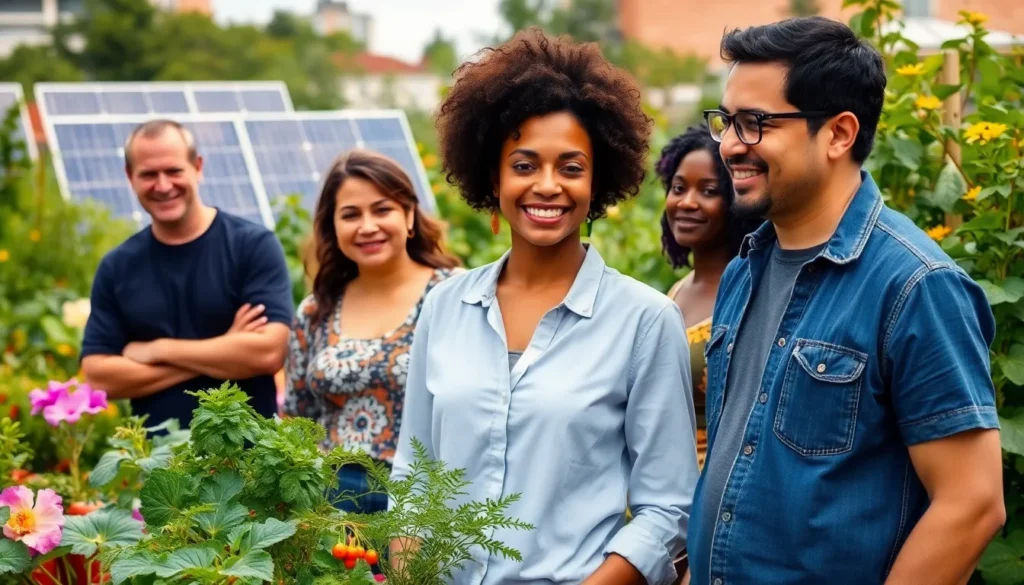
Sustainable living innovations offer numerous advantages, significantly enhancing both environmental and economic outlooks. These advancements prove beneficial in various aspects of daily life.
Environmental Impact
Innovations in sustainable living drastically reduce ecological footprints. Solar-powered gadgets harness clean energy, leading to decreased reliance on fossil fuels. Biodegradable products diminish landfill waste, addressing pollution concerns directly. Urban gardens and vertical farming minimize the carbon footprint linked to food transport. Implementing smart home technologies improves energy efficiency, further lowering greenhouse gas emissions. Water conservation methods contribute by preserving vital resources, making it easier to combat environmental issues effectively.
Economic Advantages
These innovations lead to substantial cost savings for individuals and communities. Energy-efficient appliances lower utility bills, allowing households to allocate funds elsewhere. Electric vehicles reduce fuel costs due to lower maintenance and charging expenses. Localized food systems decrease the economic burden related to transportation, benefiting consumers directly. Sustainable practices often attract new market opportunities, providing competitive advantages for businesses. By prioritizing sustainable materials, companies can increase their appeal and profitability in an eco-conscious marketplace.
Notable Innovations In Sustainable Living
Sustainable living innovations significantly impact how individuals and communities approach eco-friendly practices. Several notable advancements drive change across various sectors.
Renewable Energy Solutions
Solar energy technology has gained momentum, allowing homes to harness natural sunlight for power. Wind turbines also contribute, particularly in areas with ample open space. These renewable energy solutions support energy independence while reducing carbon footprints. Emerging innovations include solar roof tiles, which blend aesthetics with functionality. Battery storage systems enhance usability, ensuring energy availability during low production periods. Biogas systems, derived from organic waste, provide an additional sustainable energy source. Together, these technologies represent a shift towards clean, renewable energy, making a lasting positive impact on the environment.
Waste Reduction Technologies
Innovative waste reduction technologies help minimize landfill contributions. Advanced recycling systems now sort materials more efficiently, increasing recycling rates. Composting initiatives further transform organic waste into valuable soil amendments. In addition, reusable containers have emerged, helping consumers reduce single-use plastics. Digital platforms facilitate the exchange of items, promoting a circular economy by extending product lifespans. Numerous companies are prioritizing zero-waste policies, which contribute to reducing overall waste generation. These technologies and practices exemplify a collective commitment to sustainable living, actively addressing the global waste crisis.
Implementing Sustainable Living Innovations
Implementing sustainable living innovations involves both community efforts and individual actions that collectively contribute to a healthier planet. These initiatives foster environmental awareness and promote eco-friendly practices.
Community Initiatives
Community initiatives serve as a powerful means of promoting sustainability. Local organizations often create urban gardens that provide fresh produce while enhancing biodiversity. Residents engage in neighborhood clean-ups that reduce litter and protect local ecosystems. Educational workshops frequently teach sustainable practices such as composting and water conservation. Many communities also embrace renewable energy projects, enabling shared solar installations and promoting energy independence. Collaborative efforts, like transit programs that encourage carpooling, significantly reduce carbon emissions. By working together, communities create vibrant environments focused on sustainability.
Individual Actions
Individuals play a crucial role in implementing sustainable living practices. Small changes, like using reusable bags and containers, significantly reduce plastic waste. People can also choose to support local farmers, which minimizes transportation emissions and promotes local economies. Adopting energy-efficient appliances leads to lower utility bills and reduced energy consumption. Many individuals discover that cycling or walking for short trips improves personal health while lowering carbon footprints. Implementing rainwater harvesting or greywater recycling systems conserves essential water resources. Ultimately, each action, no matter how small, contributes to a larger movement towards sustainability.
Future Trends In Sustainable Living Innovations
Emerging technologies continue transforming sustainable living practices. Innovations in solar energy, like solar roof tiles and integrated battery storage systems, enhance energy independence. Advancements in electric vehicle technology improve accessibility while reducing greenhouse gas emissions.
New biodegradable materials contribute to reducing waste significantly. Companies develop packaging solutions that break down naturally, minimizing landfill contributions. Innovations in composting technology further support waste reduction initiatives, promoting a circular economy.
Vertical farming techniques grow in popularity, utilizing urban spaces efficiently for food production. The ability to cultivate crops indoors reduces transportation needs and lowers the carbon footprint associated with food systems.
Smart home devices enhance energy efficiency, allowing users to monitor and manage consumption easily. Thermostats adjust heating and cooling dynamically, contributing to lower energy bills and reduced environmental impact. Water conservation solutions, including rainwater harvesting systems, also gain traction. These systems facilitate resource preservation, aligning with sustainable living goals.
In the fashion industry, advancements in sustainable textiles gain momentum. Brands focus on using recycled materials, leading to ethical production practices and conscious consumerism.
Collaborative community efforts, such as shared gardening spaces, foster sustainable practices among neighbors. Educational programs increase awareness of eco-friendly options and promote sustainable living initiatives.
Ultimately, these trends in sustainable living innovation reflect a growing commitment to environmental responsibility and resource conservation. As society embraces these innovations, they will significantly promote a healthier planet and enhance the quality of life.
Sustainable living innovations are reshaping how society interacts with the environment. By embracing these advancements individuals and communities can significantly reduce their ecological footprints while enhancing their quality of life. From energy-efficient appliances to urban gardening techniques these innovations provide practical solutions to pressing environmental challenges.
As awareness grows and technology continues to evolve the potential for sustainable living expands. Each small action contributes to a larger movement toward a healthier planet. By integrating these innovations into everyday life people not only support eco-friendly practices but also pave the way for future generations to enjoy a sustainable and vibrant world.