In a world where smartphones are practically an extension of ourselves, the question of whether an iPhone needs to be unlocked for eSIM can feel like a riddle wrapped in a mystery inside an enigma. Picture this: you’re ready to switch carriers or travel abroad, but your iPhone is still in its cozy little locked cage. Can it embrace the freedom of eSIM? Spoiler alert: it might just need a key.
Understanding eSIM Technology
eSIM technology streamlines the process of connecting devices to mobile networks. It allows users to switch carriers or plans without the need for physical SIM cards.
What is eSIM?
eSIM represents embedded SIM technology. Unlike traditional SIM cards, the eSIM is built into the device’s motherboard. This integration facilitates remote activation and management of mobile plans. It supports multiple profiles, which means users can switch between several carriers and plans easily. Devices using eSIM include smartphones, tablets, and smartwatches. Apple’s iPhone models beginning with the iPhone XS support eSIM functionality.
How eSIM Works
eSIM works through a secure digital profile. Users can download their carrier information instead of inserting a physical SIM card. Activation involves scanning a QR code provided by the carrier or using an app to set it up. This process simplifies switching carriers, especially while traveling. Users can change carriers without needing to visit a retail store or wait for a new SIM card. Managing mobile plans through the device’s settings makes it user-friendly. Security features also protect eSIM data against unauthorized access.
iPhone Compatibility with eSIM
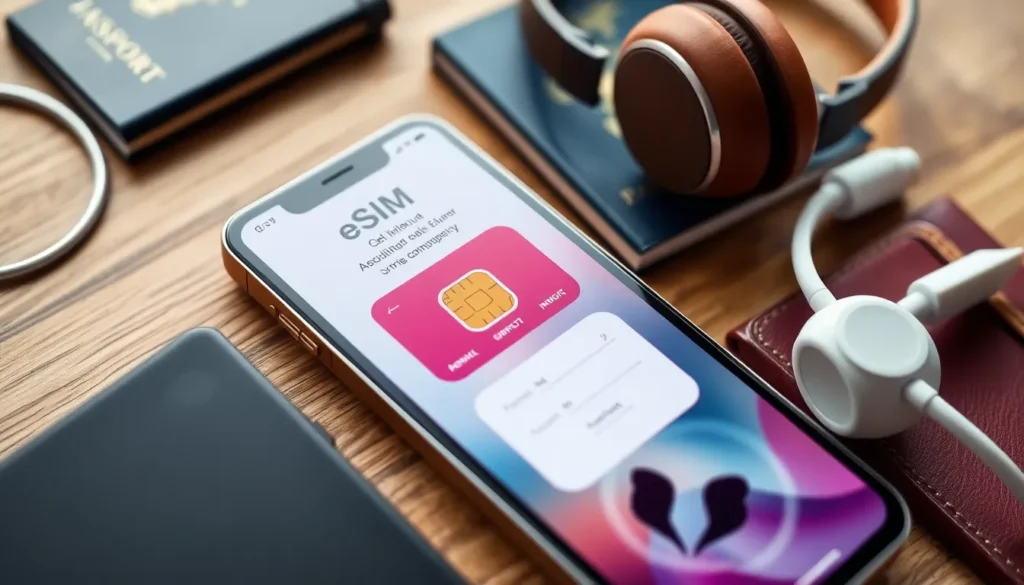
Understanding which iPhone models support eSIM functionality is essential for users looking to switch carriers. Apple introduced eSIM technology starting with the iPhone XS, XS Max, and XR. Subsequent models, including the iPhone 11 series, 12 series, 13 series, and 14 series, also offer eSIM capabilities.
Which iPhone Models Support eSIM?
Compatibility extends to iPhone 13, iPhone 14, and iPhone SE (3rd generation). Users should note that eSIM functionality may vary based on region and carrier. Models such as iPhone XS, XS Max, and XR paved the way for this technology, making it easier for users to manage multiple phone numbers. As a result, newer versions reinforce this feature, providing enhanced connectivity options.
eSIM Features on iPhones
eSIM features streamline the process of activating mobile plans. Users can switch between multiple carriers without needing physical SIM cards, thanks to embedded technology. Security measures protect sensitive data during these transitions. Additionally, iPhones equipped with eSIM allow for remote activation and management of mobile services. This flexibility makes iPhones convenient devices for those who travel frequently or prefer different carriers. Enhanced user experiences arise from quick plan changes, enabling users to adapt to their connectivity needs seamlessly.
Unlocking an iPhone
Unlocking an iPhone allows users to access different networks and carriers by removing restrictions imposed by the original carrier. This capability is especially significant for eSIM functionality.
What Does Unlocking Mean?
Unlocking refers to the process of disabling carrier restrictions on a smartphone, enabling it to work with various mobile networks. A locked iPhone operates only with the original carrier’s SIM card. An unlocked iPhone can utilize eSIM technology for switching carriers freely. Users can activate plans from multiple providers without being tied to one network, increasing flexibility. Furthermore, travelers benefit by seamlessly connecting to local carriers without the hassle of physical SIM cards.
Types of iPhone Unlocking
Different unlocking methods exist for iPhones, catering to various user needs. Software unlocking involves altering the device’s software, allowing it to work with any carrier. Hardware unlocking involves physical modifications but is less common and typically not recommended. Carrier-based unlocking is the most straightforward approach, requiring users to contact their carrier for assistance. Many carriers offer this service once the device meets specific criteria, such as being fully paid off. Third-party services also offer unlocking, though users should exercise caution to avoid potential scams.
Does iPhone Need to Be Unlocked for eSIM?
Using eSIM technology on an iPhone can depend on the device’s lock status. A locked iPhone restricts users to the original carrier, which can limit access to eSIM features. Users must meet certain conditions to utilize eSIM on locked devices. Carriers might allow eSIM activation, but approval varies by provider. Some users report success with temporary eSIM activation for travel purposes, while others might find features limited without unlocking. Without full carrier support, switching providers remains challenging, highlighting the importance of device versatility.
Conditions for Using eSIM on a Locked iPhone
Having a locked iPhone can restrict the use of eSIM. Carriers determine compatibility; some may permit activation, but limitations often apply. Users might need to verify with their original carrier for eSIM access. Certain situations, such as international travel, could prompt carriers to allow temporary eSIM use. Ultimately, specific conditions imposed by carriers dictate the potential for using eSIM without unlocking.
Benefits of Unlocking for eSIM Use
Unlocking an iPhone significantly broadens options for eSIM use. An unlocked device grants freedom to choose among various carriers, enhancing flexibility. Users benefit from the ability to switch providers without hassle, especially while traveling. Accessing local networks becomes simpler, reducing costs for data and calls. Additionally, multiple profiles enable seamless transitions, making the switching process smooth. Unlocking not only enhances usability but also empowers users to take full advantage of eSIM technology.
Unlocking an iPhone is crucial for users who want to fully leverage eSIM technology. While some locked devices may offer limited eSIM functionality, the true benefits come when the iPhone is unlocked. This flexibility allows users to easily switch between carriers and plans without the hassle of physical SIM cards. For frequent travelers or those seeking to optimize their mobile experience, unlocking opens the door to seamless connectivity and local network access. Ultimately, understanding the relationship between unlocking and eSIM capabilities empowers users to make informed decisions about their mobile needs.